
GPS & monitoring
GPS tracking and monitoring is a system that uses the Global Positioning System (GPS) to track the location of an object, person, or vehicle in real-time, providing insights into their movements and location.
Should be installed by Licensed Private Investigator
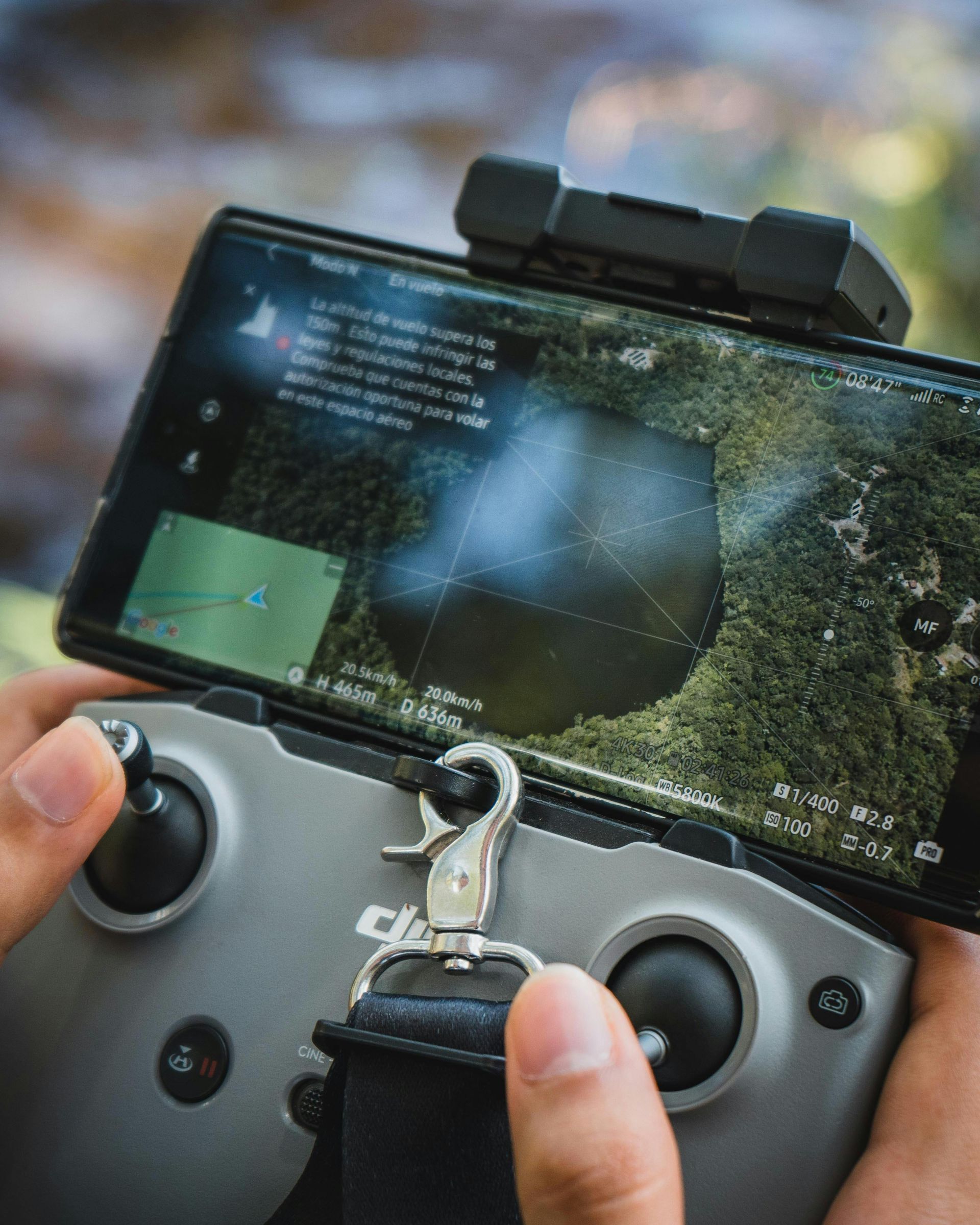
Here's a more detailed explanation
HOW IT WORKS
- A GPS-enabled device, or tracker, is placed on the object to be monitored.
- The device communicates with GPS satellites and uses these signals to calculate its exact position (latitude and longitude).
- This location data can be relayed in near real-time over a cellular network or recorded for later download.
- GPS tracking software then interprets this data and displays it on a map
APPLICATIONS
- Fleet management: Monitoring the location and activity of vehicles, optimizing routes, and improving efficiency.
- Asset tracking: Tracking the location of valuable equipment or goods.
- Personal tracking: Monitoring the location of family members, especially children or elderly individuals, for safety reasons.
- Other uses: Tracking pets, monitoring construction equipment, or even wildlife.
BENEFITS
- Real-time location: Knowing where something or someone is at any given time.
- Improved efficiency: Optimizing routes and reducing wasted time and resources.
- Enhanced safety: Ensuring the safety of people and assets.
- Increased security: Monitoring vehicles and assets to prevent theft or loss.
CONSIDERATIONS
- Privacy: GPS tracking raises privacy concerns, so it's important to be transparent about its use and obtain consent when necessary.
- Security: Ensuring the security of GPS tracking data and protecting it from unauthorized access.
- Data accuracy: GPS tracking data can be affected by factors like satellite signal interference or obstructions, so it's important to consider the accuracy of the data.